
AI storyboard generator
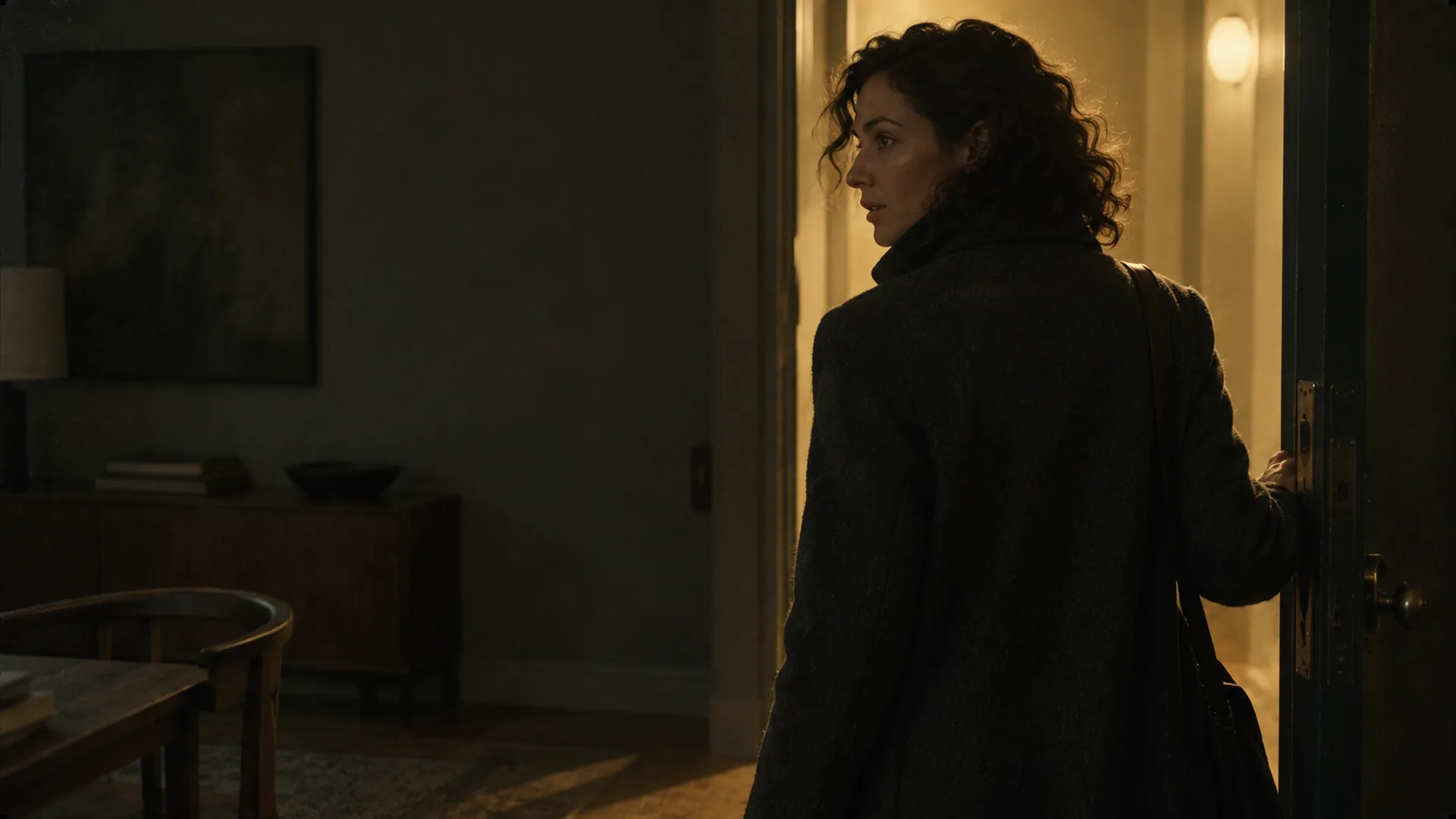
Boards made of film stills instead of sketches: one beat per frame, one cast across the sequence, one light plan, rendered up to 8K.
What does an AI storyboard generator actually produce?
Frames, not drawings. Each beat in a shot list becomes one still rendered with the light, lens and stock you described, so the board shows what the scene will look like rather than a sketch of where the camera goes. Soul Cinema renders those stills through the Soul model family at 2K, 4K or 8K, and holds one cast across a sequence of up to six frames.
What it does not produce is motion. There is no timeline, no frame rate and no animatic playback — the board is a set of frames you arrange yourself, or export and cut into a document.
- Input: a shot list, one line per beat.
- Output: one still per beat, at the size you asked for.
- Boundary: stills only, no video and no timeline.
How do you go from script to frames?
Start by cutting the scene into beats a camera could actually shoot: wide of the room, closer on the door, reverse on the face. Then write a five-line brief per beat — subject and blocking, light, lens and frame, palette, stock and grain. Keep lines one, four and five identical across the whole scene and change only framing, angle and expression between beats; that is what makes the frames read as one location rather than one afternoon of experiments.
The line-by-line structure is in cinematic AI image prompts, and the naming question around the model family is in Higgsfield Soul Cinema.
How do you keep the cast and light consistent across a sequence?
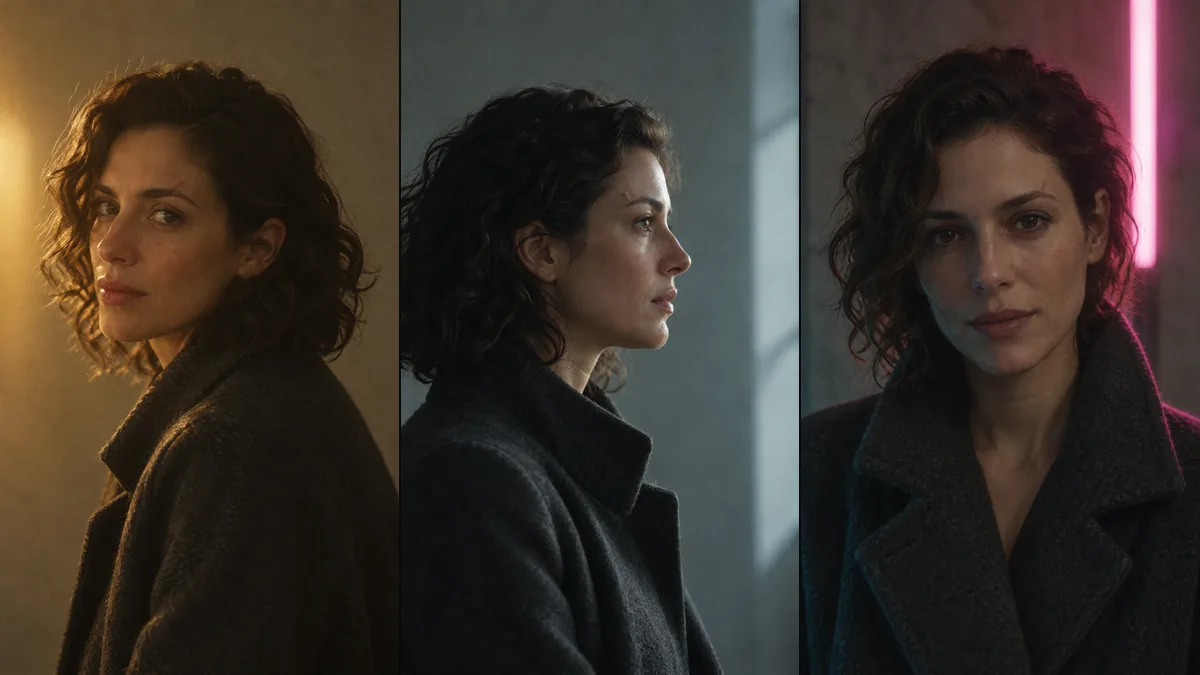
Lock the cast before you render anything. Soul ID holds a face and wardrobe reference for the sequence, so the same actor is rendered across a change of angle or lighting condition instead of a slightly different stranger each time. Write the identity sentence once and reuse it verbatim in every brief; drift almost always starts with a prompt that re-describes the person a second way.
Palette lock covers the other half of continuity: pin a hex value and it survives a re-render at a new size or angle. The failure modes are catalogued in AI character consistency.
What does a six-frame sequence cost?
Credits are charged per frame by output size: 2K costs 1 credit, 4K costs 2 and 8K costs 4, with failed frames refunded automatically. A six-frame sequence in 4K is 12 credits; the same six beats at 2K for a rough pass cost 6, and an 8K delivery of the final frames costs 24. Basic is $12/month for 120 credits, Pro $29 for 600 and Max $79 for 2,000.
Batch sequences and the commercial licence sit on Max; the full breakdown is in Soul Cinema pricing explained.
Where does a storyboard workflow stop?
It stops at the frame. Boards rendered here are stills: they do not move, they cannot be played back, and they do not carry sound. If the deliverable is a clip, the stills model is the wrong tool for that step — the honest workflow is to board and lock the look here, then animate elsewhere.
The stills-versus-motion split, and which model in the family does which, is covered in Soul v2 vs Soul Cinema.
Frequently asked
Can it storyboard directly from a script?
It storyboards from a shot list you write, not from a screenplay PDF: each beat needs a five-line brief naming subject, blocking, light, lens, palette and stock. That step is where the visual quality is decided.
Is the output usable in a pitch deck?
Yes. Frames export at the resolution the model produced, up to 4K natively and 8K as an upscale, with no watermark and no re-encoding, so they sit beside photography without looking out of place.
How consistent is the same character across six frames?
Soul ID locks the face and wardrobe reference for the sequence, so the cast survives a change of angle, expression or lighting. Keep the identity sentence identical between frames and the drift is negligible.
Does it animate the board?
No. There is no timeline and no frame rate; the board is a set of stills. Motion lives in a different model in the same family.
How much does a storyboard cost to run?
A six-frame pass costs 6 credits at 2K, 12 at 4K and 24 at 8K, charged per frame and refunded automatically if a render fails. Basic starts at $12/month for 120 credits.
Your first cinematic frame is one prompt away
Sign in with Google, pick a plan and keep every still at the resolution the model produced. Plans from $12/month, cancel at any time. No watermark, no re-encode.