
Soul Cinematic: three meanings, one search
Is Soul Cinematic an AI model, the 2020 film Soul, or a music mood? A clear disambiguation, and the path to the cinematic stills workflow if that is what you meant.
The short answer
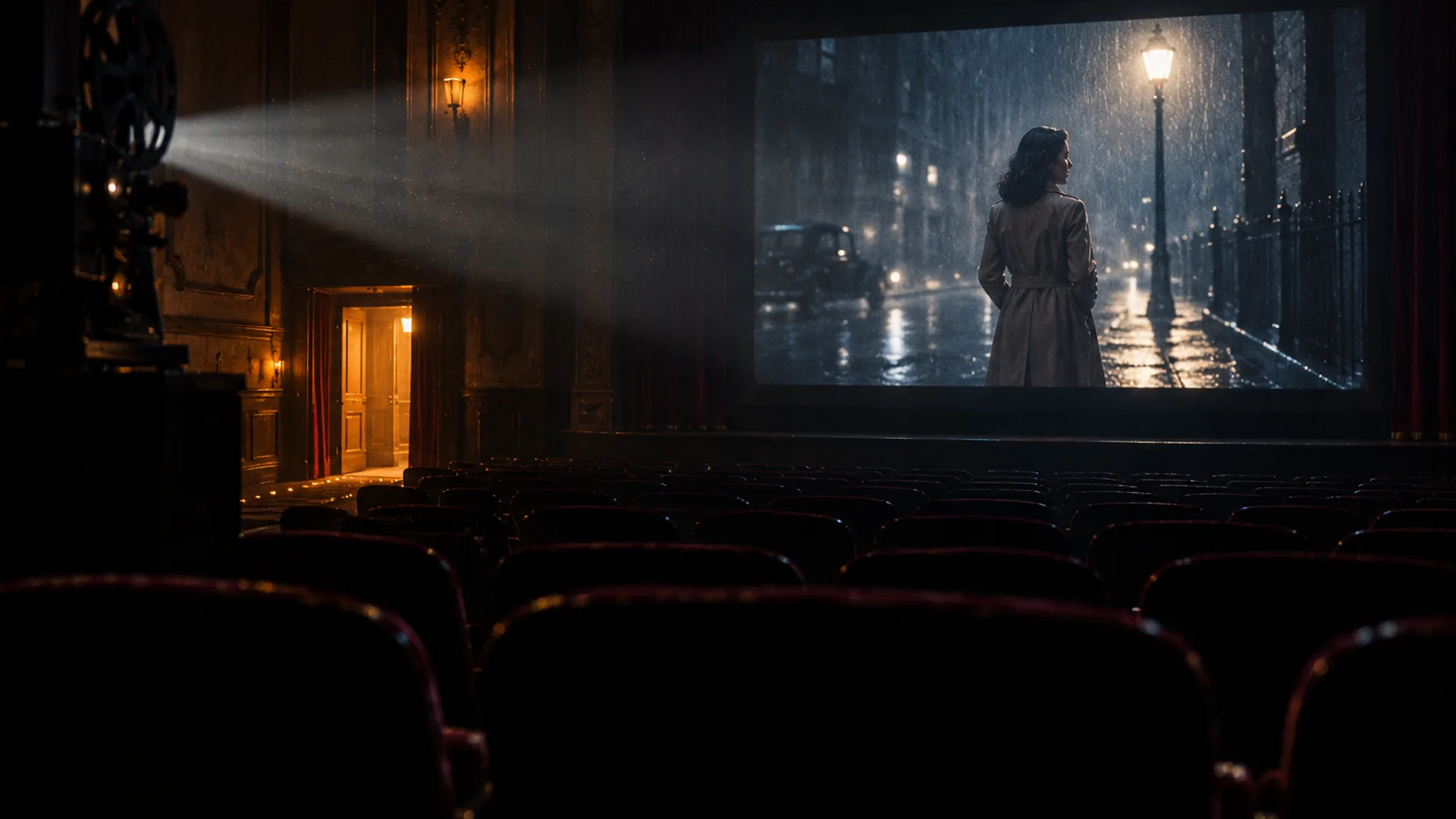
“Soul Cinematic” is not one fixed product name. It is a search phrase that people use for three different things: an AI image style or model, the 2020 Pixar film Soul, and a moody corner of soul music. The fastest way to get a useful answer is to decide which of those you actually mean before you click.
If you arrived here looking for cinematic AI stills, you are in the right place. Soul Cinema is an independent third-party web app that renders film-style stills from a written shot. It is not the film, it is not a record label, and it is not affiliated with Higgsfield or any other model provider it references.
The product definition is on What is Soul Cinema?, and the wider model family is mapped on Soul Cinema model.

If you mean the AI model or the look
This is the meaning closest to this site. People use “soul cinematic” loosely for the cinematic stills coming out of the Soul family: motivated light, film grain, a controlled palette and a face that can be held across a sequence. The useful names sit underneath that shorthand.
- Soul Cinema — the stills console documented here: a written shot in, one cinematic frame out, with Soul ID and palette lock for sequences.
- Soul 2.0 — the general stills generation label, explained in the Soul 2.0 guide.
- Soul v2 — the motion branch of the family, compared with the stills branch on Soul v2 vs Soul Cinema.
- Cinema Studio — the video side of the platform, where a finished still can become the start frame of a moving shot.
If you mean the 2020 film Soul
The other large share of this query belongs to Soul, the Pixar film released in 2020. It is an animated feature about a jazz musician, not an AI model, not a stills console and not a subscription product. A page about prompting a frame will not help you find a streaming copy, and a page about the film will not explain why a render costs credits.
That collision is the whole reason this page exists. Search engines see the same words and have to choose an intent; a searcher can make the choice faster by adding one qualifier: “AI”, “Higgsfield”, “prompt”, “model” or “8K” for the image tool, and “Pixar”, “Disney” or “2020 film” for the movie.
If you mean cinematic soul music
There is also a music reading. “Cinematic soul” is used for soul records with orchestral swells, wide reverb, strings, horn arrangements and a deliberately filmic mood. The word order flips in search: people type “soul cinematic”, “cinematic soul music” and “cinematic soul meaning”, and the results can include playlists, ringtones and artist pages.
None of that is connected to this site’s console. If a result talks about a track, a ringtone or a playlist, you are in the music branch of the query; if it talks about a prompt, a model or a frame, you are in the image branch.
How to tell which result you want
Use the words around the phrase as a filter. The vocabulary gives the intent away faster than the result title does.
- AI stills: prompt, model, render, frame, Soul ID, palette lock, 8K, Higgsfield, cinematic lighting.
- Film: Pixar, Disney+, 2020, Joe Gardner, animation, soundtrack, where to watch.
- Music: playlist, song, album, instrumental, ringtone, cinematic soul, strings, horns.
- This site: an independent stills console, guides and comparisons about making a frame, not a streaming or music page.
What Soul Cinema actually does
Soul Cinema is built around one frame at a time. You write a shot brief, choose a look and a resolution, and the console returns a still. Soul ID holds a face and wardrobe reference across a sequence of up to six frames; palette lock holds a requested hex value across re-renders. Exports go up to 8K, with no watermark and no re-encode, and 8K is an AI upscale from a native 4K render.
It does not render video. If your deliverable has to move, the honest handoff is to finish the still here and take the winning frame to a video tool. The video side of the same platform is described on the Cinema Studio page, and the cost of both paths is compared on the pricing page.
Start with Getting started with Soul Cinema for the five-step first session, or go straight to Soul Cinema pricing if you are deciding whether the console is worth a test.
Frequently asked
Is Soul Cinematic the same as Soul Cinema?
Not exactly. “Soul Cinematic” is a loose search phrase with several meanings. Soul Cinema is the name of this independent stills console. The console renders cinematic stills; it does not render the 2020 film or cinematic soul music.
Is Soul Cinematic the 2020 Pixar film?
No. Soul is a 2020 Pixar animated film about a jazz musician. This page and this site are about an AI stills workflow, and the two are unrelated.
What model does Soul Cinema use?
It renders through the current generation of the Soul Cinema stills model, the cinematic branch of the Soul family. The model menu is intentionally hidden; the brief, the locks and the resolution are what you control. The naming map is on the Soul Cinema model page.
Can Soul Cinema make video?
No. It renders one still at a time, with no timeline, frame rate or motion output. If you need motion, finish the frame here and use a video tool such as Cinema Studio for the moving shot.
Why does this page talk about music and film?
Because the query is genuinely mixed. A useful landing page should tell you which meaning you have landed on instead of pretending the phrase has only one intent. The AI branch is documented here; the other two are acknowledged so you can leave with the right next click.
Your first cinematic frame is one prompt away
Sign in with Google, pick a plan and keep every still at the resolution the model produced. Plans from $12/month, cancel at any time. No watermark, no re-encode.