
Getting started with Soul Cinema
A first session planned like a shot: one subject, one light, one 2K test — then lock what you keep and render the keeper at full size.
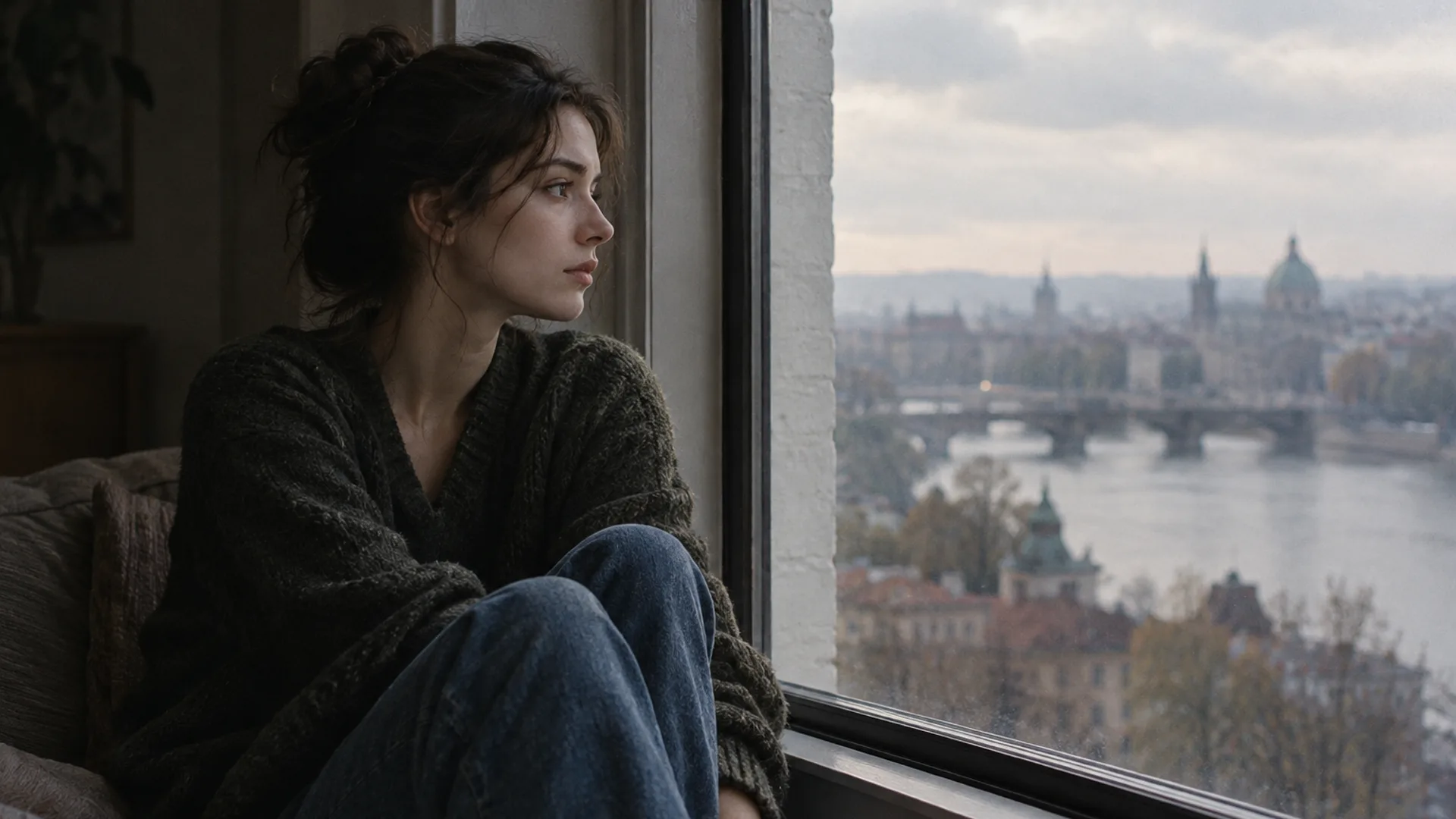
Plan the first frame like a shot, not an experiment
The fastest first frame is the simplest one: one subject, one light, one action, rendered once at 2K. Everything in this guide exists to stop a first session from becoming a hundred renders wide and one decision deep.
The console takes a brief, not a conversation — you are deciding, not describing. The four looks cover the standard jobs (a clean cinematic look, noir, golden hour and editorial), and they are a starting point, not a style.
The five lines of a first brief
Every working brief on this site is the same five lines, in the order a cinematographer would ask for them. For a first frame:
- Subject and blocking — a person doing one visible thing in one place. “A waitress wiping a table in an empty café at closing.”
- Light — one source, one direction, one falloff. Rank it: the key is the winner and everything else is refused.
- Lens and frame — pick one focal length and one camera height; 50mm at chest height is a safe first answer.
- Palette — two or three named colours or hex values, not moods.
- Stock and grain — fine, medium or coarse, chosen once and kept.
Render at 2K, keep one variable per test
2K frames cost one credit each and come back fast, which makes them the right size for questions. Change one line per test — the lens, the angle, which side the key comes from — so a bad frame teaches you which line was wrong.
Three habits ruin a first session: a second key light, mood words instead of values, and re-describing the brief from memory instead of reusing it verbatim. All three add contradiction rather than detail.
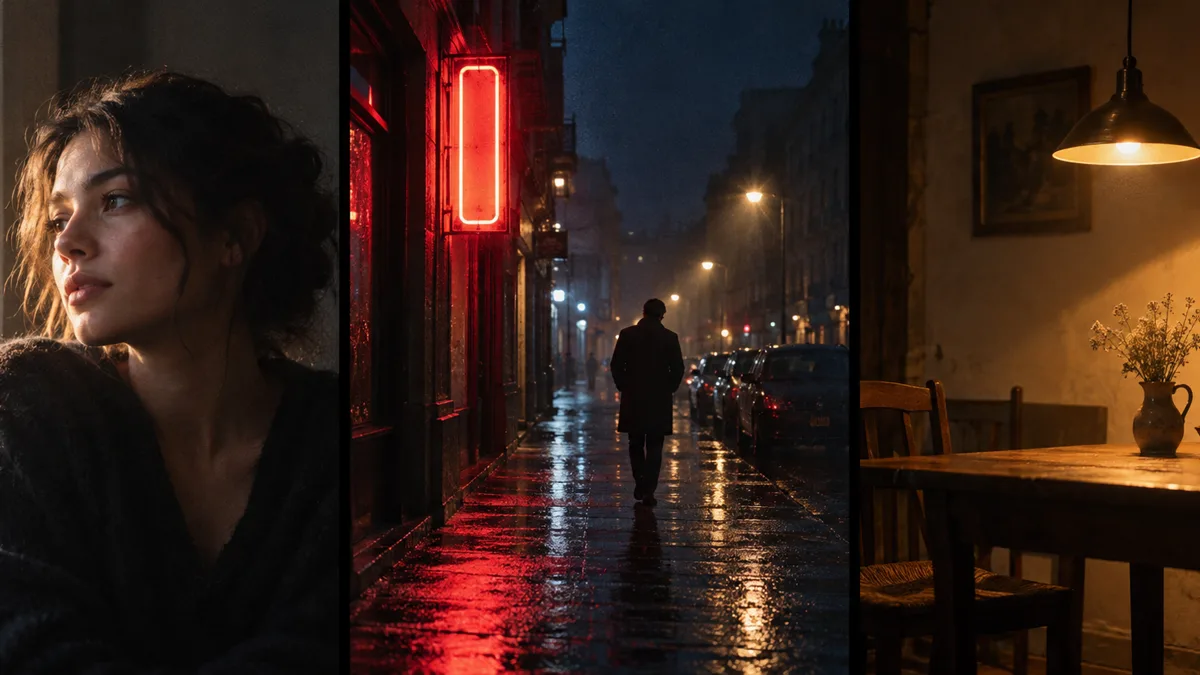
Lock what you keep
Once a frame reads right, upgrade it instead of leaving it to luck: re-render the keeper at 4K (2 credits) — or at 8K (4 credits) once your plan reaches it — and if the frame has people in it, attach a cast before the next render so the person survives the size change.
The cast mechanics live in Soul Cast and Soul ID — a first session rarely needs both. One locked cast is enough to try a six-frame sequence.

What a first session costs
A realistic first session: five 2K tests (5 credits) and two keepers at 4K (4 credits) — nine credits against the 120 that the $12/month plan includes. Failed frames are refunded, so the number only counts what actually landed.
Plans, credit volumes and what each tier includes are on Soul Cinema pricing. Nothing is installed: sign in with Google, and the console, the credits and the exports live in the account.
Frequently asked
Do I need any experience to render a first frame?
No. If you can answer five questions about a shot — who, what light, which lens, which colours, which texture — you can write a brief the console renders. The rest of this site is vocabulary for answering them better.
What should the very first brief be?
A single person in a single place with a single light: a portrait by a window, a figure under one neon sign. Simple frames fail cheaply and teach the five lines fastest.
Why test at 2K instead of rendering big immediately?
2K costs one credit — four times cheaper than 8K — and the decisions (light, palette, framing) read the same at any size. Spend the 4K and 8K credits on frames that already won their test.
What if a render comes back wrong?
Read it line by line: a flat frame usually has an unranked second light; a drifting face usually needs a cast lock; a dead palette usually needs values instead of adjectives. Failed frames are refunded automatically.
How do I keep the frames I like?
Exports are kept at the size the model produced them — no re-encode, no watermark — and every render stays in the account, so a keeper can be re-run at a larger size later without repeating the session.
Your first cinematic frame is one prompt away
Sign in with Google, pick a plan and keep every still at the resolution the model produced. Plans from $12/month, cancel at any time. No watermark, no re-encode.